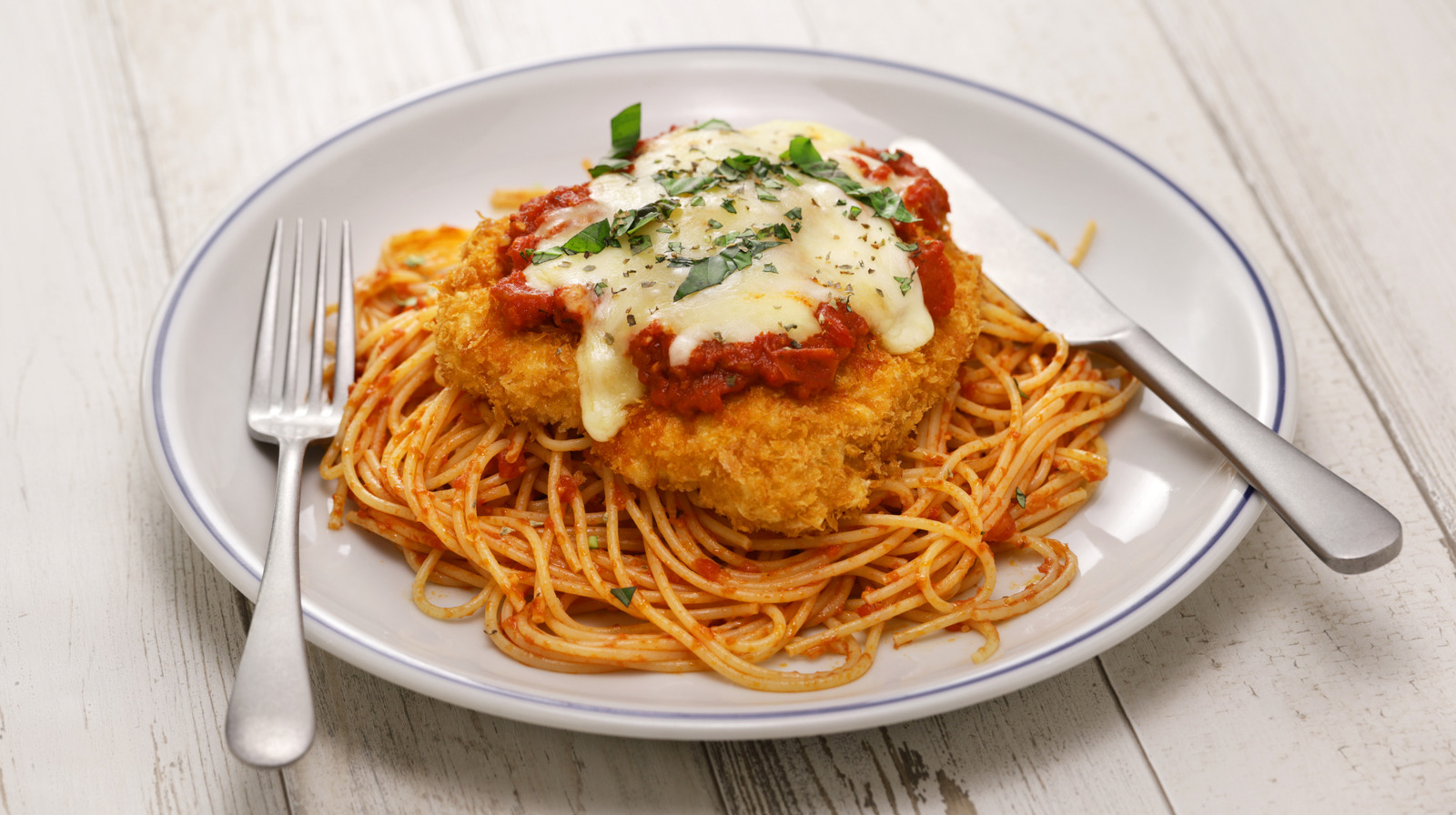
Better Than Restaurants: Your Guide to Perfect Homemade Chicken Parm
Few dishes evoke such universal delight and comfort as
chicken parmesan. It’s a staple in Italian-American restaurants, a go-to for many home cooks, and a crowd-pleaser that satisfies nearly every palate. But while restaurant versions often come with a hefty price tag and sometimes a disappointing, soggy outcome, we’re here to tell you a delicious secret: the absolute best chicken parmesan is made right in your own kitchen. Forget the overly sauced, cheese-laden clumps that lose all semblance of crispness. With the right techniques and a few clever tricks, your homemade chicken parm will not only be easy to prepare but will consistently outshine any restaurant offering, delivering a perfectly crispy, cheesy, and utterly irresistible experience every single time.
Why Homemade Chicken Parmesan Reigns Supreme (and Beats the Restaurant Version)
Let's be honest, we've all been there: eagerly awaiting a plate of chicken parmesan at a restaurant, only to be presented with a breaded chicken cutlet drowning in an excessive sea of marinara and so much melted cheese that the once-crispy coating has become a sad, moist memory. This common culinary misstep is precisely why taking control in your own kitchen is the ultimate game-changer for
chicken parmesan.
Restaurants, aiming for visual abundance and often a quicker cook time, frequently overwhelm the delicate balance of textures and flavors. They might skimp on quality ingredients, use too much sauce, or neglect the crucial steps that preserve the crunch. When you make chicken parmesan at home, you dictate every detail, ensuring each element — from the perfectly pounded chicken to the judicious application of sauce and the ideal cheese blend — contributes to a harmonious, non-soggy masterpiece. It’s an act of culinary empowerment that promises a far superior result.
The Pillars of Perfect, Non-Soggy Chicken Parmesan
Achieving the "holy grail" of
chicken parmesan isn't about complexity; it's about precision and understanding the role of each step. These fundamental techniques are your cheat sheet to bypassing restaurant woes and creating a dish that truly sings.
Achieving the Ideal Chicken Cutlet
The foundation of exceptional chicken parmesan begins with the chicken itself.
*
Pound Chicken Evenly: This step is non-negotiable. Take boneless, skinless chicken breasts and pound them to an even ½-inch thickness. Placing them between two sheets of plastic wrap helps keep things tidy. Why is this so crucial? Even thickness ensures that the chicken cooks uniformly, preventing some parts from drying out while others remain undercooked. It also tenderizes the meat and creates a larger, more consistent surface area for your breading to adhere to.
*
Don't Skimp on Seasoning: Season the chicken cutlets generously and directly with salt and freshly ground black pepper. This allows the seasoning to penetrate the meat itself, building flavor from the inside out. Resist the urge to salt your flour or breadcrumbs; seasoning the chicken directly is far more effective and helps prevent the breading from drawing out moisture.
Mastering the Breading for Ultimate Crispness
The breading is arguably the most vital component in delivering that coveted crispy texture that sets apart truly great
chicken parmesan.
*
Panko Power: While traditional breadcrumbs work, panko breadcrumbs are your secret weapon for superior crispness. Their larger, flakier texture absorbs less oil, resulting in a lighter, airier, and far crunchier coating.
*
The Parmesan Infusion: Here’s a brilliant trick often overlooked: incorporate finely grated real Parmesan cheese into your panko breadcrumbs. This addition serves a dual purpose. First, it infuses the breading with a rich, nutty, umami flavor that complements the chicken and sauce beautifully. Second, the Parmesan helps the breading achieve an even deeper golden-brown color and an extra layer of crunch as it fries.
*
The "Rest" Period: After breading your chicken, let the cutlets rest on a wire rack for about 15-20 minutes before frying. This seemingly small step is critical. It allows the moisture from the chicken to slightly hydrate the breading and helps the coating to "set" or adhere firmly to the chicken breast. This dramatically reduces the likelihood of the breading flaking off during cooking, ensuring a complete, crispy crust.
Strategic Sauce Application: Less is More (for the Plate)
This is perhaps the most significant departure from typical restaurant practice and the absolute key to a non-soggy result.
*
Don't Drown It: The cardinal rule for crispy homemade
chicken parmesan is to *not* place any sauce directly *under* the chicken cutlet. Putting sauce on the baking dish underneath the breaded chicken guarantees a soggy bottom, undermining all your efforts to achieve a crisp crust.
*
A Little Bit on Top: Instead, after pan-frying and transferring the cutlets to a baking pan, apply just a modest amount of warm marinara sauce directly on top of each cutlet, before adding the cheese. This gives you that essential tomato flavor without overwhelming the texture.
*
Serve Extra on the Side: For those who love a saucier experience, always offer extra warm marinara sauce on the side. This allows everyone to customize their plate without compromising the integrity of your crispy chicken. For more in-depth strategies to maintain crunch, explore our guide on
End Soggy Chicken Parm: Achieve the Crispiest Homemade Recipe.
The Cheese Blend: Beyond Mozzarella
While mozzarella is synonymous with melted cheese pull, a truly outstanding
chicken parmesan benefits from a more complex cheese profile.
*
A Trio of Delights: Instead of just mozzarella, aim for a dynamic blend. Fresh mozzarella offers the classic creamy melt. Tangy provolone adds a sharper, more piquant note and fantastic stretch. And, of course, a sprinkle of freshly grated real Parmesan cheese (beyond what's in the breading) on top provides that essential salty, nutty, sharp finish that defines "Parmesan." Shredding fresh mozzarella yourself, perhaps after blotting it slightly or even freezing it for 10 minutes, will prevent excess moisture from making your chicken soggy.
The Cooking Process: From Pan to Oven Perfection
The journey from raw chicken to a finished, golden-brown chicken parmesan involves two crucial cooking stages that work in tandem to create the perfect texture and flavor.
Pan-Frying for the Initial Golden Hue
*
The First Fry: Start by pan-frying your breaded chicken cutlets in a neutral oil with a high smoke point (like canola, vegetable, or grapeseed oil) until they are beautifully golden brown and crisp on both sides. This initial fry serves several purposes: it sets the breading, develops a rich flavor through the Maillard reaction, and partially cooks the chicken. You're not aiming for the chicken to be fully cooked through at this stage, as it will finish in the oven.
*
Don't Overcrowd: Work in batches if necessary to avoid overcrowding the pan, which can lower the oil temperature and lead to steaming rather than frying, resulting in less crispness.
Hot Oven, Quick Finish
The final stage in the oven is where the magic truly happens, bringing all the elements together.
*
Hot, Hot, Hot Oven: Preheat your oven to a blistering 450°F (230°C). This high temperature is paramount. Why so hot? A scorching oven allows the cheese to melt quickly and bubble into golden perfection, crisp up any remaining moisture in the breading, and finish cooking the chicken without drying it out. The goal is a quick, intense burst of heat.
*
Strategic Assembly and Bake: Once your chicken is golden from the pan-fry, transfer it to a baking sheet. Spoon a modest amount of warm marinara sauce over each cutlet, then layer your chosen cheese blend and a sprinkle of fresh herbs like basil or oregano. Bake for just 8-12 minutes, or until the cheese is gloriously melted, bubbly, and slightly browned around the edges, and the chicken is cooked through. For more top-tier techniques to prevent sogginess, check out
Crispy, Cheesy & Never Soggy: The Ultimate Chicken Parm Secrets.
Elevating Your Homemade Chicken Parmesan: Extra Tips & Serving Ideas
Beyond the core techniques, a few extra touches can transform your already excellent
chicken parmesan into an unforgettable meal.
*
Quality Ingredients Matter: Use good quality canned San Marzano tomatoes for your sauce, or invest in a high-quality jarred marinara if you’re short on time. Fresh basil torn at the last minute adds a vibrant aroma and flavor.
*
Rest Before Serving: Once out of the oven, let your chicken parmesan rest for 2-3 minutes. This allows the cheese to set slightly and the chicken's juices to redistribute, ensuring a tender, moist cutlet.
*
Serving Suggestions: While often served with pasta, consider pairing your magnificent chicken parmesan with a light, fresh green salad dressed with a simple vinaigrette to cut through the richness. A side of lightly buttered, fresh pasta (with minimal sauce) or crusty Italian bread is also a perfect accompaniment for soaking up any lingering sauce.
Conclusion
Making perfect homemade
chicken parmesan is not just achievable; it's a culinary journey that promises incredibly rewarding results. By focusing on smart preparation—from pounding the chicken evenly and creating an impossibly crispy, Parmesan-infused breading, to applying sauce strategically and utilizing a hot oven—you'll consistently create a dish that far surpasses its restaurant counterparts. Say goodbye to soggy chicken and hello to a symphony of crisp, tender, savory, and cheesy perfection. Embrace these techniques, and you'll unlock the true potential of this beloved Italian-American classic, cementing your status as the ultimate chicken parm connoisseur in your own kitchen.